Teaching Towards Better Days
4 Min Read • Mental Health
Ask a room of teachers when a student first opened up to them, and the story rarely starts with a conversation. It starts with a sketchbook, a verse written in a margin, a song someone played at the end of class when they thought no one was listening. Young people often find the words for what they’re carrying by making something first.
That idea sits at the center of The Better Days Project, an Atlanta nonprofit that uses art, writing, music, and technology to change how mental wellness gets talked about with BIPOC youth and young adults. Its workshops, healing circles, and live art and music experiences treat creativity as a way in, and they treat wellness as something a community builds together.
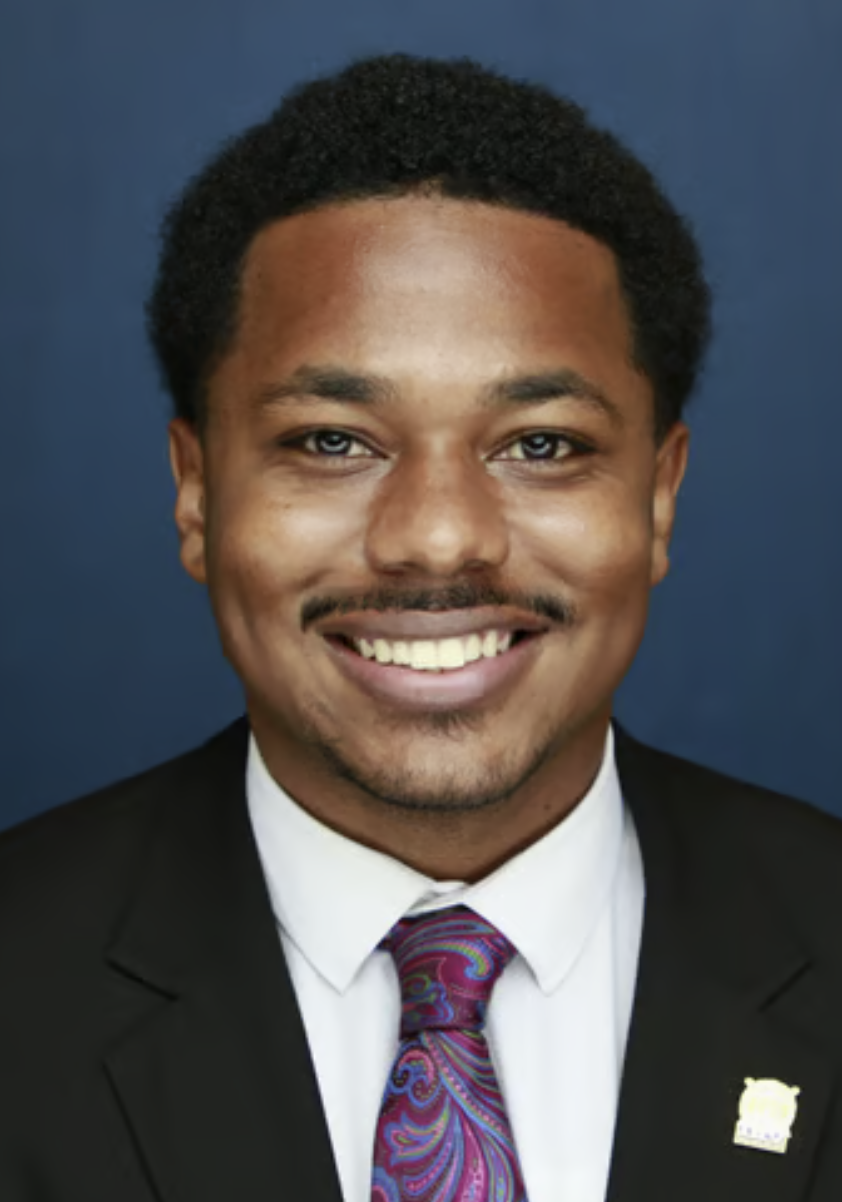 Mekhi Hill is the founder. He holds a Master of Public Health in health policy from Emory’s Rollins School of Public Health, and he has worked in public health, media, and communications at Morehouse School of Medicine, PBS News, and The Nature Conservancy.
We sat down with Mekhi to talk about what inspired him to start the project, how gratitude shows up in his work with young people, why STEAM and mental wellness pair so well, and one simple way teachers can bring a STEAM mindset to student wellness.
Q: What inspired you to start The Better Days Project, and what need did you see in your community that you wanted to meet?
A: The Better Days Project was inspired by my own struggles with mental health, particularly after losing my mother at a young age. This experience revealed to me how deeply our environments and experiences shape how we view the world and show up in it. I saw a need to make mental wellness more accessible to young people, especially in communities where conversations about mental health weren’t always normalized or approached in culturally relevant ways. Beyond addressing mental health challenges, I wanted to create something that empowered young people to develop a strong sense of self, recognize their worth, and understand that they have a purpose in life. We wanted young people to see taking care of themselves as something worth embracing, not something they only turned to when life became difficult.
Q: How does gratitude show up in your work with young people? Have you seen it change how they see themselves or their wellbeing?
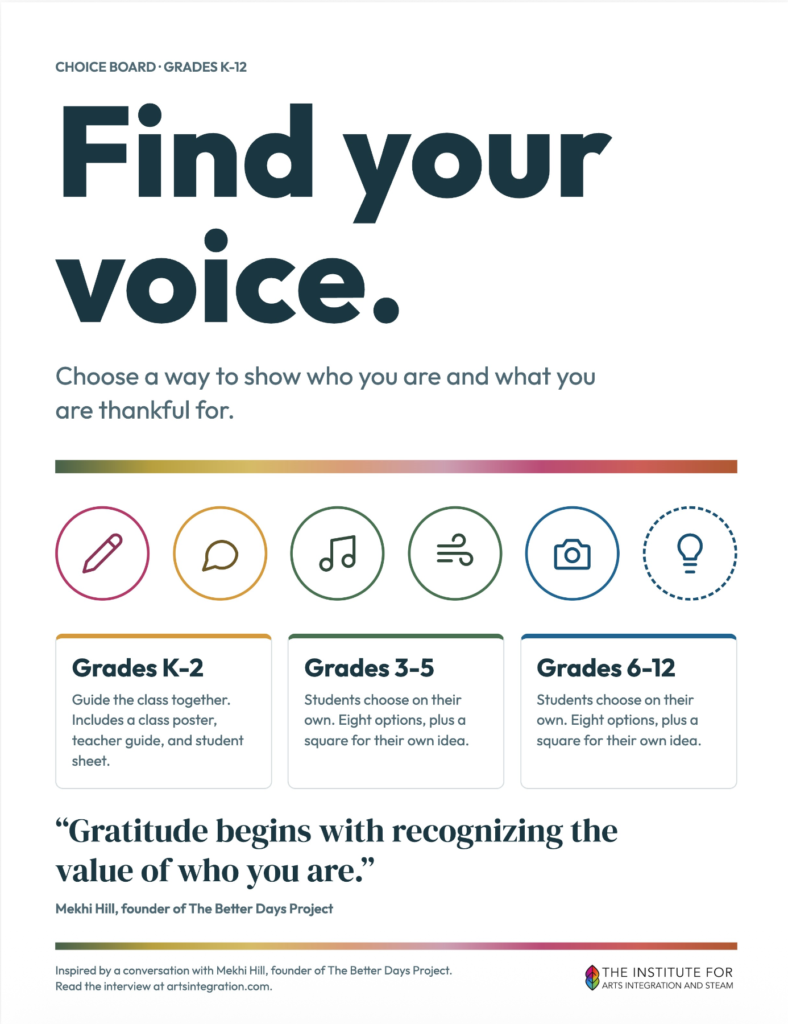
A: I believe gratitude begins with recognizing the value of who you are, not simply being thankful for what you have. So much of what young people experience today is shaped by external expectations, social pressures, and ideas about who they’re supposed to become, and it’s easy to lose sight of their own identity in the process. Through our programming, we wanted to create opportunities for young people to reflect on their experiences, recognize their strengths, and develop a greater appreciation for themselves and their journeys. Gratitude doesn’t mean ignoring life’s difficulties, but understanding that our circumstances don’t have to determine our worth or limit what’s possible for our lives. When young people begin to recognize that, I believe it changes how they approach both themselves and the world around them.
Q: What led you to connect STEAM and mental wellness, and why does that pairing work so well for young people?
A: What drew me to STEAM was recognizing that mental health and wellness show up in every facet of it, whether through creative expression, technology, problem-solving, or the ways we understand the world around us. We wanted to connect those dots for young people and demonstrate that taking care of your mind doesn’t have to be limited to traditional conversations about mental health or seeking therapy. Through initiatives like The Blueprint, we used creativity, storytelling, mindfulness, and technology as culturally relevant entry points to help young people better understand themselves and their wellbeing. Our approach was really about making mental wellness something young people could connect with, something engaging, empowering, and, quite frankly, cool. When you meet young people through the things they’re already passionate about, you create opportunities for them to develop healthier behaviors and a stronger sense of self without wellness feeling like another obligation.
Q: What is one simple way a teacher could use a STEAM mindset to support student wellness in their own classroom?
A: I would encourage teachers to think about wellness as something that can be integrated into the everyday learning experience rather than treated as a separate conversation. For example, allowing students to use art, music, digital storytelling, or creative projects to explore their identities, emotions, and experiences can open doors that traditional classroom discussions sometimes cannot. I also think it’s important to create opportunities for students to explore what matters to them, what they believe, and how they see themselves contributing to the world. When we consider the whole person, including their social, emotional, cultural, and spiritual dimensions, we begin to recognize that education isn’t just about academic performance but also about helping young people understand themselves. Sometimes the most meaningful thing we can do is give students the space and tools to discover their own voice.
Q: Finally, as you reflect on this work, what are you most grateful for?
A: I’m most grateful for the opportunity to contribute to something that reminds young people that their lives have value and purpose beyond their circumstances or achievements. One of the main things this work reinforced for me is the importance of ensuring youth know who they are and have the tools to live from their true identity and not what the world tells them. I’m grateful for the educators, artists, community partners, and young people who embraced our vision and demonstrated what’s possible when we approach wellness through creativity, connection, and community. This experience also deepened my belief that wellbeing isn’t simply the absence of mental health challenges, but the presence of conditions that allow people to live meaningful, fulfilling lives. Ultimately, I’m grateful to have played a role in creating spaces where young people could begin discovering that possibility for themselves.
Mekhi’s advice for teachers is easy to try. The next time you plan a project, let students choose art, music, or digital storytelling to explore something that matters to them, and give them time to share what they made. You may learn something about them that a class discussion wouldn’t have turned up.
To learn more about Mekhi’s work and the programs behind it, visit The Better Days Project.