

Resources
How to Collaboratively Weave Your (Digital) Story
How to Collaboratively Weave Your Digital Story - Do you use digital storytelling in your classroom?
Laura and Matt Grundler are art educators from Plano, Texas. They are also proud parents, bloggers and founders of the popular Twitter Chat #K12ArtChat. After teaching middle school art, high school art and working as an assistant principal, Laura has moved into the role of district Visual Arts Coordinator. Matt started out as a graphic designer; however after finding the commercial side of design to be unsatisfying, he soon found his niche as a K-5 Art teacher. Both Laura and Matt are passionate about raising their three creative kids, sharing their love of art education with their professional learning network and continuing to grow everyday.
New here? Start with the essentials
Teaching another subject? Browse all free lessons
How to Collaboratively Weave Your Digital Story - Do you use digital storytelling in your classroom?

Reading Comprehension - I also love to move and am a huge believer in experiential learning.

We can't just wait for schools to create environments where professional development can flourish.

We discuss the real power of arts integration and how it can be utilized to teach students.
Another traditional professional development concept that needs be retired is the idea of a hard and fast time for professional development.

The arts provide a perfect environment to show how mistakes are an integral part of the learning process.

One of the things I most enjoy as an educator about the summer is being able to catch up on some reading.

Compassion through Mathematics - The purpose of the arts integration residency was to provide students real-life connections to the math curriculum.

How to keep the story interesting and keep the students interested during storytelling?
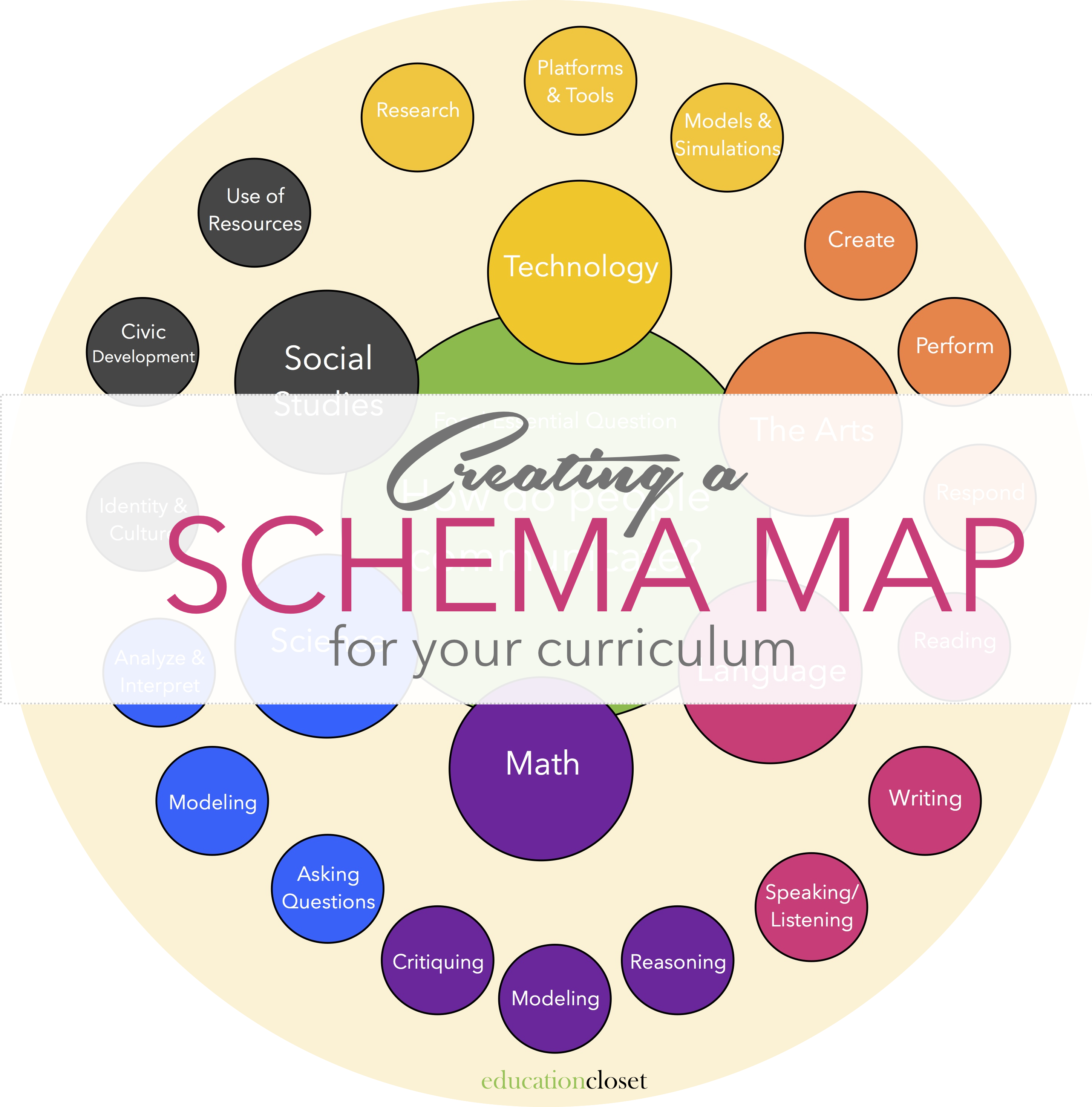
One of the daunting tasks that lie ahead of all educators in the summer is revising and editing curriculum.
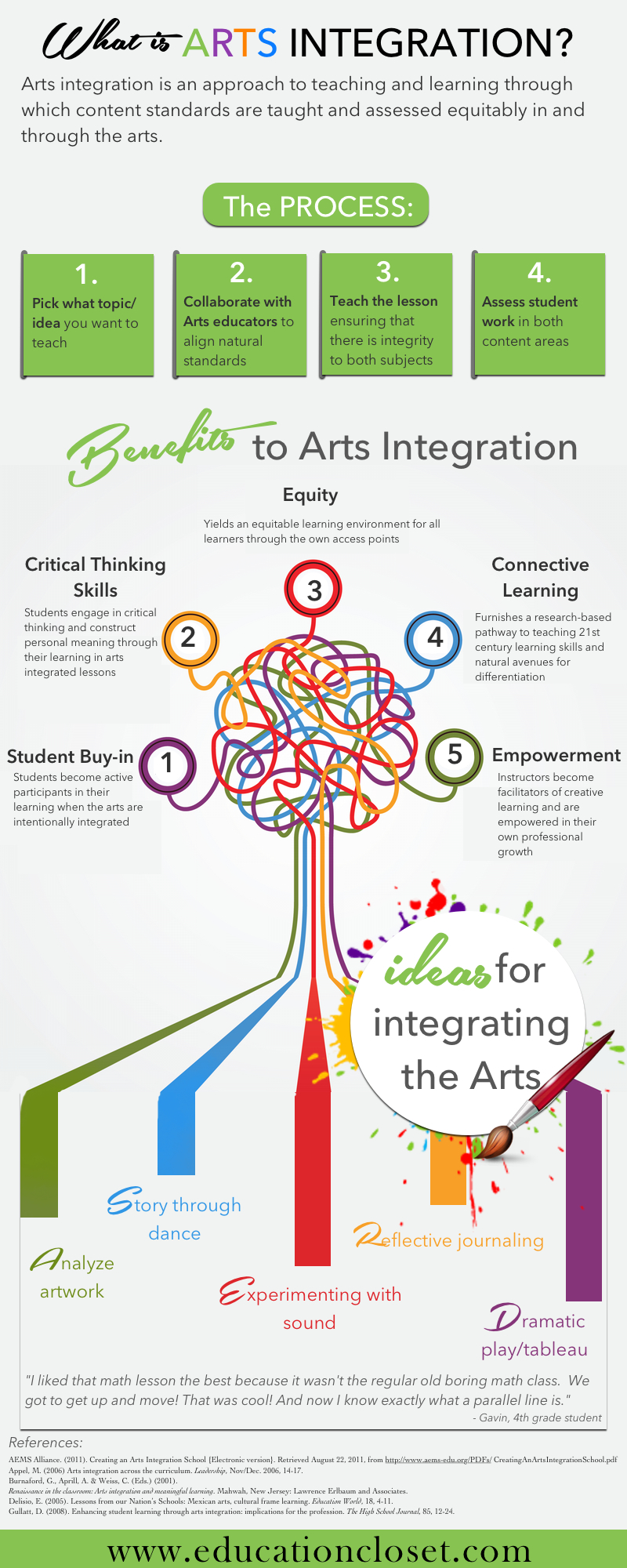
Ever been asked "what is arts integration"? Here's a quick and simple definition that will help everyone understand what it is and how to use it in schools.

How important is an analogy when helping scientists create new theories to test and helping them to make sense of unanticipated results?
You’re viewing 6 of 1,812 items. Unlock the whole library free with our weekly email, or look yourself up if you already get it.
Signups open when the new site launches.
Free. We respect your inbox. Privacy Policy
Join 50,000+ educators. You’ll get our weekly email with free strategies and tools. Unsubscribe anytime.
We’ll look you up and get you back to the full library.
Learn how to successfully integrate the arts in any classroom.
Join 50,000+ K-12 educators receiving creative inspiration, free tools, weekly strategies, and practical tips once per month in the Monthly SmART Ideas Digest.