

Assessment
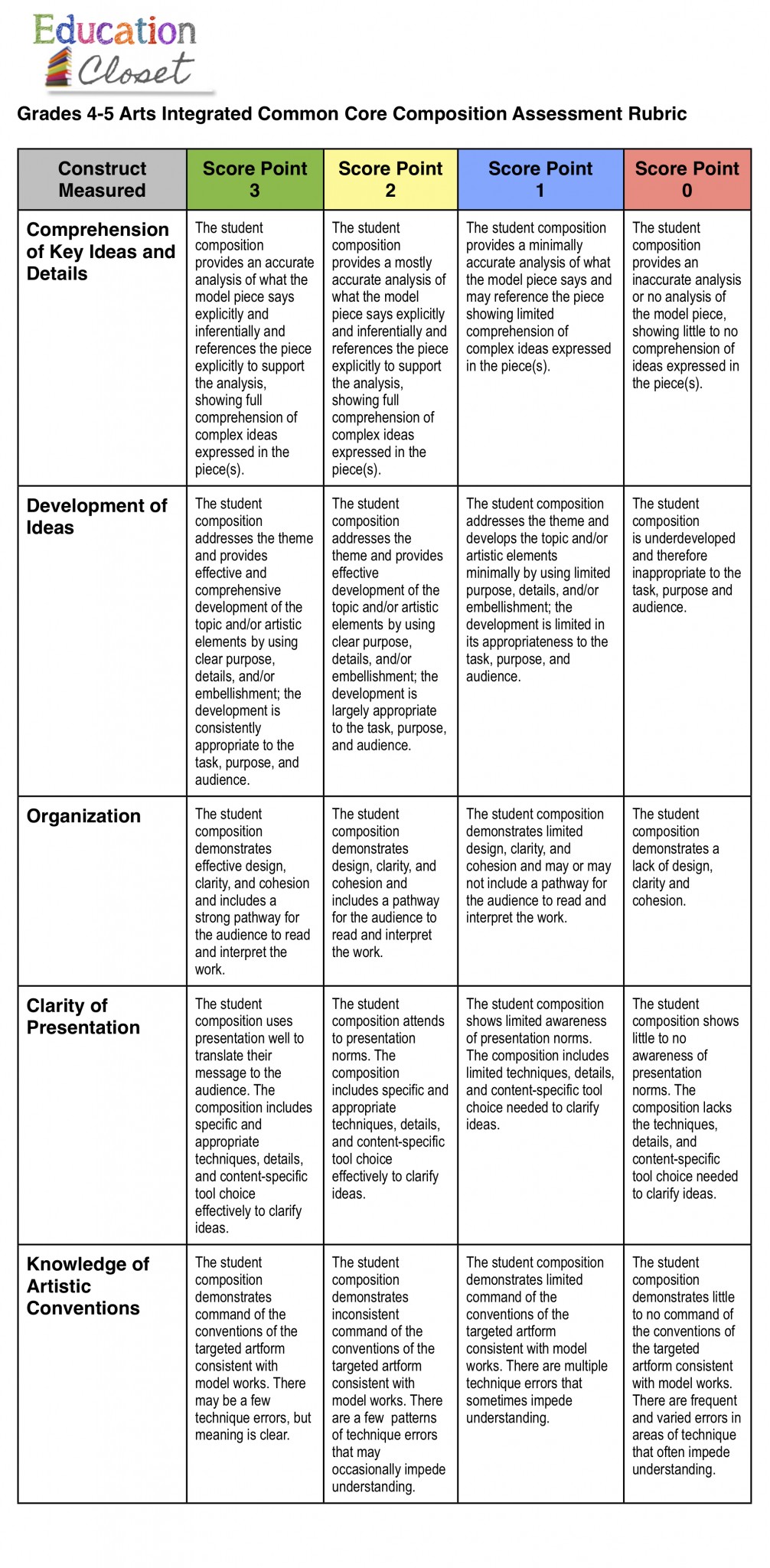
Common Core and Arts Integration Assessment Rubric
To finish up our assessment series this week, we are providing you with a fantastic new assessment rubric tool that you can use in your classroom today.
Holly Valentine is the Director of Curriculum and Assessment for the Institute for Arts Integration and Steam. Prior to joining the Institute, Holly worked as an Arts Integration and Classroom Teacher for 20 years in a suburb of Rochester, NY. She is a certified Arts Integration Specialist and has served as an Arts Standards Writer for the New York State Education Department. Holly has been a recipient of the NYC Broadway League's Apple Award for her work in Arts Education. She also serves as the Director of Education for the Rochester Broadway Theatre League, where she has created nationally recognized programs and develops standards-based curriculum for touring Broadway shows in order to bring the theatre to classrooms and classrooms to the theatre. Holly holds both a Bachelor of Arts degree in Theatre and Psychology as well as a Masters degree in Education from Nazareth College in Rochester, NY, where she currently lives.
New here? Start with the essentials
Teaching another subject? Browse all free lessons
To finish up our assessment series this week, we are providing you with a fantastic new assessment rubric tool that you can use in your classroom today.
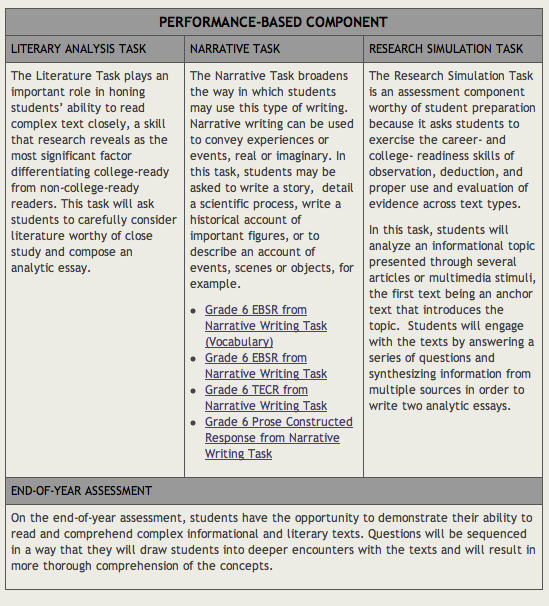
Today, we're going to take a look at the PARCC sample assessment prototypes and find out how connecting assessments through the arts.

Today, we'll be discussing how to introduce your students to the concept of illustration and its elements!

And here is where the Arts become truly reflected within this newly proposed assessment model.

Setting classroom rules to movement can be a fun, effective way of focusing student energy, helping with transitions, and reinforcing classroom rules.
It's important for educators to show parents the activities of their students.
QR codes have such incredible possibilities for STEAM classrooms.

This math and photography lesson is written for grades 5-8.

A natural way to integrate the arts is with math and photography.

What has struck me most about PYP, however, is its intense relationship with the strategies that are presented using Arts Integration.

One of the best ways to engage our elementary students is connecting math and art together.

The paper fortune teller technique helps keep students engaged and connects directly back to arts integration.
You’re viewing 6 of 1,812 items. Unlock the whole library free with our weekly email, or look yourself up if you already get it.
Signups open when the new site launches.
Free. We respect your inbox. Privacy Policy
Join 50,000+ educators. You’ll get our weekly email with free strategies and tools. Unsubscribe anytime.
We’ll look you up and get you back to the full library.
Learn how to successfully integrate the arts in any classroom.
Join 50,000+ K-12 educators receiving creative inspiration, free tools, weekly strategies, and practical tips once per month in the Monthly SmART Ideas Digest.